How to Reduce Ant Entry Points Around a Home
Ants rarely appear at random. They follow routes between food, water, warmth and a nest, then leave scent trails that make the same route easier for others to find. Reducing entry points is less about sealing one crack and more about making the outside edge of the home less inviting and harder to cross.
Start with observation, then work from the outside in. The aim is to close obvious gaps, remove attractions and avoid disturbing nests in ways that scatter ants deeper into walls. A careful approach also helps when using an ant identification guide, because the species and the way it enters can change the best response.
Watch where ants actually travel
Choose a calm time of day and look along the foundation, around windows, near utility openings and where paving meets the wall. Ants often use the same sheltered line, such as the gap under siding, a weep hole, a pipe outlet or a space beside a cable. Note the direction of travel. Ants moving steadily toward a wall with food may be heading to a nest. Ants moving away from the wall may be leaving a trail after finding scraps indoors.
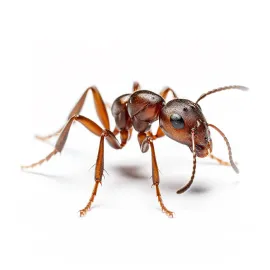
Watch for more than one type of ant. Small dark ants, larger browner ants and ants that move in long, fast lines may behave differently. Size and colour alone are not always enough for firm identification, but they are useful clues. A basic ant identification guide can help sort common household visitors from less typical ones, and Pest Agent provides pest advice for readers who need help framing the problem.
Do not crush a trail at the first sight of it. If a nest is close, crushing ants can trigger defensive behaviour. The first task is to understand the route, not to create a new one.
Remove food and water cues near the wall
Ants are drawn to smells and moisture that people may barely notice. Work along the outside edge of the house and remove loose food sources before sealing anything. This step matters because a perfectly sealed wall will still attract ants if bowls, bins or scraps sit beside it.
- Clear fallen fruit, bird seed, pet food and spilled compost from the ground near the foundation.
- Rinse or replace sticky trays under planters, garbage bins and outdoor pet bowls.
- Keep bins closed and move them away from the wall if lids drip or scraps collect underneath.
- Fix outdoor taps and hose connections that leave a steady damp patch.
- Trim vegetation so it does not press against siding or bridge the gap between soil and windows.
Watch for condensation, damp mulch and soil that stays soft after rain. Moisture supports the small insects and moulds that some ants feed on, and it can soften wood or cardboard near the home. If a damp area comes from a leaking fixture, repair the source rather than just drying the surface.
Clean the trail before closing the gap
Once the obvious attractants are reduced, clean the visible route. Use a mild household cleaner and a cloth on hard surfaces such as patios, thresholds and window sills. The point is to remove the scent trail, not to soak the area. Ants rely on chemical markers, so a brief wipe can break the confidence of a trail while the physical gap is being addressed.
Pay attention to transition points. A trail may run along a patio joint, climb a door frame and vanish under a trim board. Clean both sides of the threshold and the area just outside it. Watch whether ants return to the same line after cleaning. If they do, there is likely an active entry point or a nest nearby.
Avoid mixing cleaning products. Follow label directions, ventilate the area and keep children and pets away until surfaces are dry. If a product smells harsh or the label warns against use around food areas, choose a simpler option.
Seal small structural gaps in the right order
Sealing works best after activity has been observed and cleaned. Focus on gaps that connect soil, vegetation or outdoor surfaces to the inside. A useful ant identification guide will not replace a careful inspection, but it can suggest whether ants are likely to nest in soil, wood or wall voids, which affects where attention is needed.
Begin at ground level. Look along the foundation for hairline cracks, gaps around pipes and spaces where utility lines enter. Use a suitable exterior sealant for small, non moving gaps, following the product instructions and preparing the surface as directed. Flexible sealant is often more suitable where materials expand and contract. Rigid filler may suit a stable crack, but it should not bridge a joint that needs to move.
Watch for gaps that are actively used. If ants are pouring through a hole, sealing it immediately may push them to find another route inside. Clean the trail, reduce attractants and deal with the nest source first, then close the gap once activity has settled. If ants appear inside wall voids, between outlets, or through ceiling areas, the issue may need a qualified pest professional rather than more filler.
Do not seal weep holes in brick walls or block drainage openings. These openings exist to let moisture escape. If ants are using them, the surrounding moisture and debris should be managed, and advice from Pest Agent or another pest information source can help weigh the options without closing a needed opening.
Check doors, windows and screens
Doors and windows are common routes because they have moving parts and soft seals. Press a thin strip of paper around a closed door as a simple check, without forcing anything. If the strip pulls free with little resistance at a point, air and ants may pass there too. Door sweeps and weatherstripping can reduce these gaps when fitted correctly.
At windows, check the lower track, the meeting rails and the outer frame. Ants may enter through a small gap beside a screen frame or under a loose pane. Clean grit from tracks, then look for daylight around the frame. A small amount of daylight does not prove an ant route, but it shows where a gap exists.
Watch for rubbing, sticking or trapped water after any adjustment. A door sweep that is too tight can scrape the floor and wear out. A window seal that traps water can make the area more attractive. The goal is a snug barrier, not a forced fit.
Make the perimeter less friendly
Landscaping can either support ants or work against them. Soil, mulch and plant cover create humid corridors right up to the wall. Keep a clear, dry band where practical between foundation material and heavy planting. Mulch should not pile against siding, and wood should not touch soil where it meets the home.
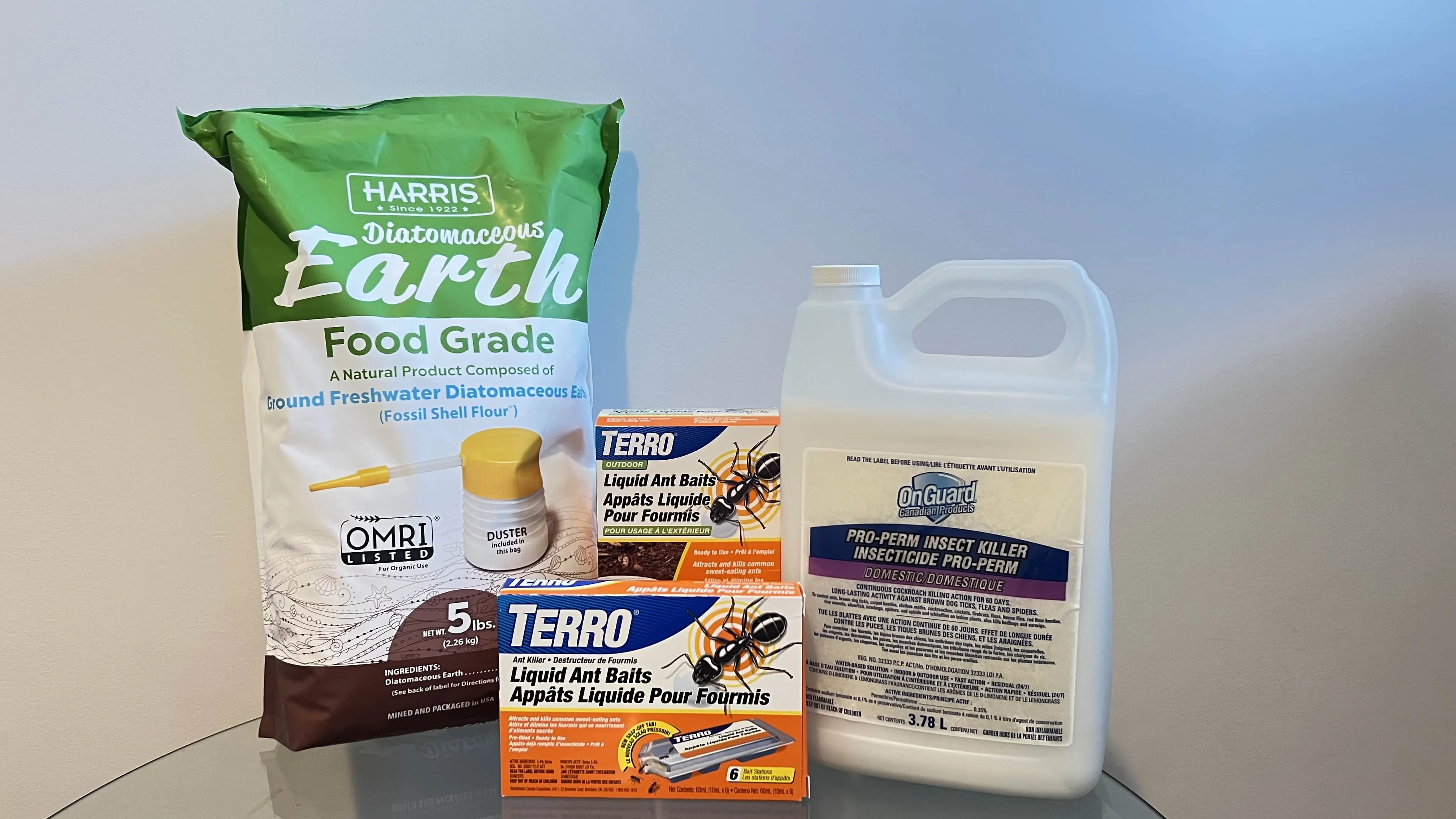
Check planters, stepping stones and garden edging for sheltered spaces. Ants often nest under flat objects that hold warmth and moisture. Lifting a stone may reveal a nest, but disturbing it can scatter ants. If the nest is close to the wall, avoid breaking it apart during the busiest part of the day. A targeted treatment labelled for outdoor ant use may be considered where permitted, with careful attention to the label and to pets, children and runoff.
Firewood and stored timber deserve the same attention. Stack them off the ground and away from the wall if space allows. Watch for ants moving in and out of bark crevices, especially during warm periods. Timber that is already dotted with exit holes or loose bark may be better removed than sealed.
Know when entry reduction is not enough
Some ant problems begin well beyond the wall. Large numbers appearing from floor gaps, ceiling joints or electrical fittings may point to a nest inside a void. Repeated trails after cleaning and sealing suggest that the source has not been addressed. In that case, more caulking can hide the visible route while ants open another one.
Electrical fittings should not be opened for inspection. Signs such as ants emerging from outlet gaps, warm switch plates, buzzing sounds or any hint of burning call for a qualified electrician and a qualified pest professional. Do not press, tape or bypass safety devices, and do not work on anything while it is live. Similar caution applies to gas appliances and mains plumbing. Those fixes are not part of a safe home sealing task.
If bites, stings or allergic reactions are a concern, keep clear of active nests and seek appropriate medical advice. Homes with young children, pets or vulnerable residents may also need a lower tolerance for pesticides near living areas.
Recheck after weather and seasonal change
Entry points are not fixed. Rain, heat, frost and new growth can change how ants move. A seal that held through a dry month may be bypassed after soil swells or siding shifts. Make a short monthly walk around the home during ant season and after heavy rain.
Look for fresh soil beside the foundation, new trails on paving and ants gathering at sunny wall edges. Clean new trails before they become established. Top up door seals and gaps only where the old material has failed. Keep the inspection simple enough that it actually happens.
Reducing ant entry points is a maintenance habit, not a one time project. The best results come from combining observation, cleanliness, careful sealing and sensible landscaping. When the species or nest location is unclear, use an ant identification guide as a starting point and bring in qualified help where the signs point beyond the outside wall.
 Facebook
 Instagram
 YouTube